

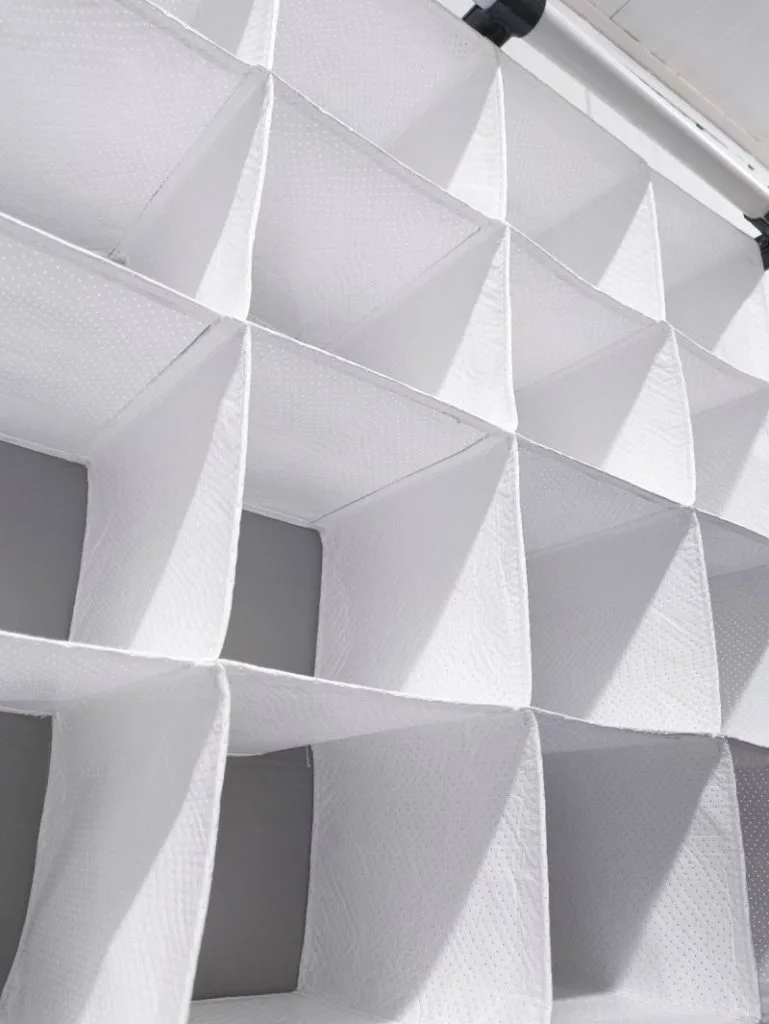
“We have a problem: the sheets we’re using are scratching our components.”
It all started with a client’s request. The components, painted and delicate, were being damaged by contact with the protective material they were using. It wasn’t a production defect — it was a case of the wrong material.
We took the request to heart and got to work.
We needed a solution that left no residue, didn’t scratch, didn’t create condensation and, above all, was ESD-safe. We found the answer in Tyvek®.
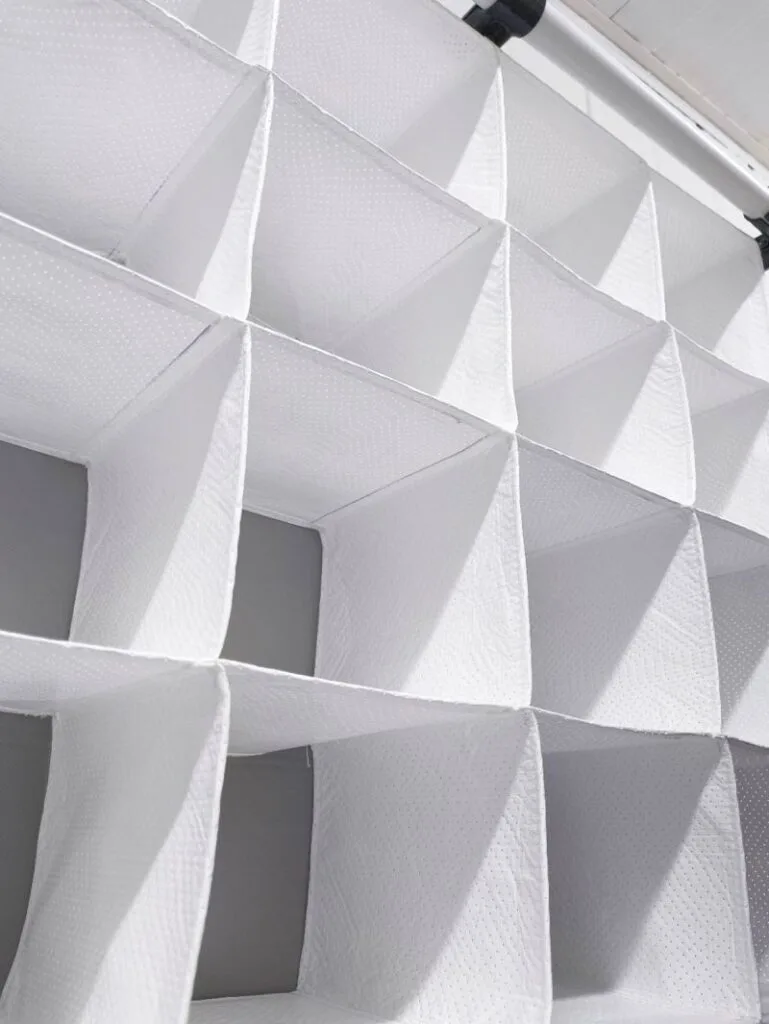
An extremely lightweight material, yet remarkably resistant to tearing and puncturing. Waterproof yet breathable, it prevents condensation on sensitive surfaces. And thanks to its ESD properties, it protects against electrostatic discharge that’s invisible but potentially damaging to electronic components and wiring.
Today we use Tyvek® to protect a wide range of products: painted components, car bodies, printed circuit boards, electronic modules, optical lenses, medical devices, inserts for handling carts, reusable blister packs and much more. It’s become a strategic ally whenever the surface being protected can’t afford the slightest damage.
It wasn’t a stroke of genius — it was a concrete answer to a real problem. And often, that’s exactly how the best solutions are born.